Looking for the best laptop to play Valorant? We have aggregated five options that will enhance your gaming experience without breaking the bank. Check out the best gaming laptops for Valorant below.
Acer Nitro 5
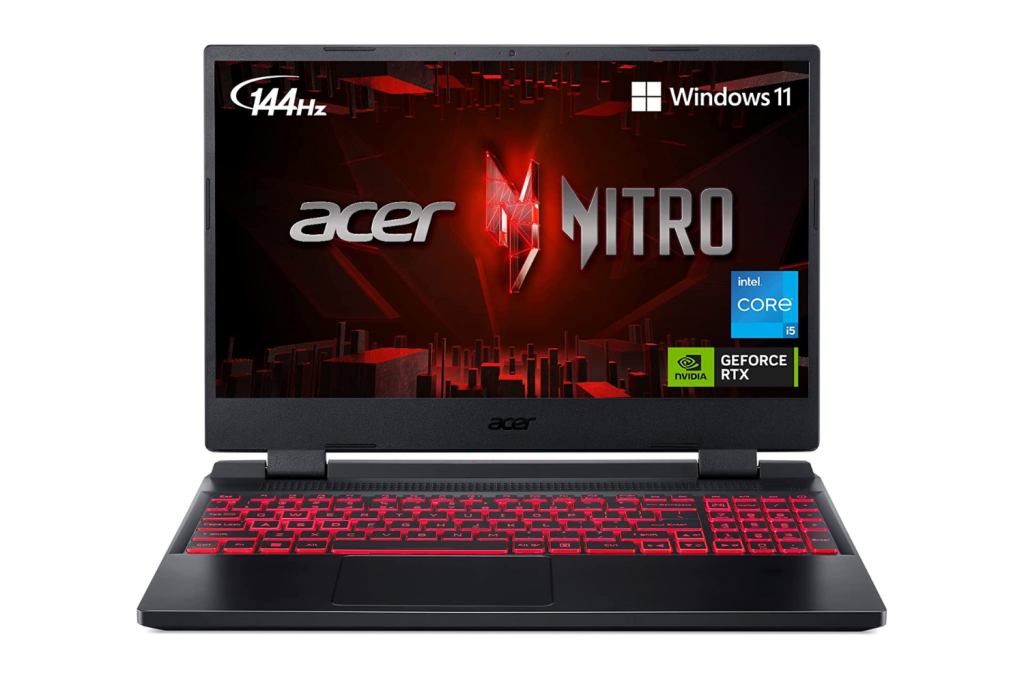
Acer Nitro 5
View Price
Acer’s Nitro 5 is not pricey, but despite that, it features Intel’s Core i5-12500H CPU with 12 cores, including four performance cores and eight efficiency cores. The chipset can turbo up to 4.5GHz and deploy 16 threads for strenuous workloads.
In the case of modern rigs and laptops, Valorant tends to be more CPU-bound. Consequently, you can expect the Nitro 5’s 12500H processor to perform adequately. The laptop also gets an RTX 3050 Ti GPU, so it should be able to run other demanding games at modest settings as well. The unit is outfitted with a snappy 144Hz screen, which should come in handy when playing games like Valorant, too.
What We Like
- Capable mix of specs
- Aggressive price
- HRR IPS display
What We Don’t Like
- Basic design
ASUS TUF Dash 15
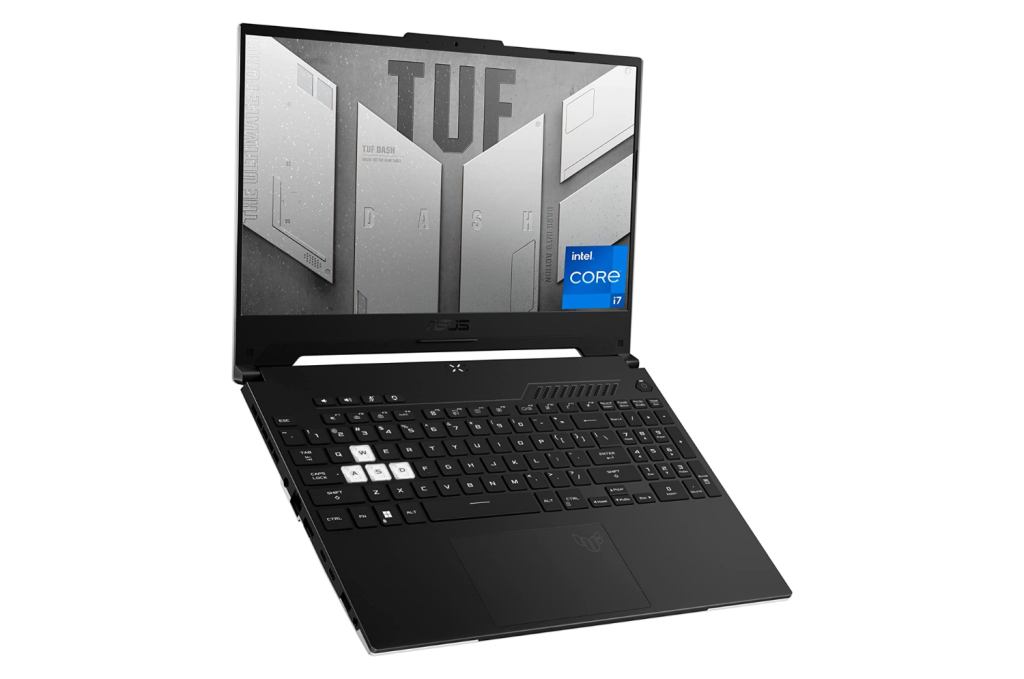
ASUS TUF Dash 15
View Price
The TUF Dash 15 is a powerful laptop that should be suitable for gamers who play eSports games like Valorant. It features Intel’s Core i7-12650H CPU, which has 10 cores. At the same time, the laptop’s RTX 3060 GPU offers a TGP of 105W.
This should allow gamers to run other demanding games at competent graphics and FPS presets as well. The laptop comes with an MUX switch that allows the dGPU (RTX 3060, in this case) to interface directly with the display. This improves the laptop’s gaming performance and minimizes latency as well. Other niceties include a MIL-STD-810H certification and speedy DDR5 memory.
What We Like
- Powerful GPU
- Rugged build quality
- Capable CPU
- Features DDR5 RAM
What We Don’t Like
- N/A
Dell G15 5520
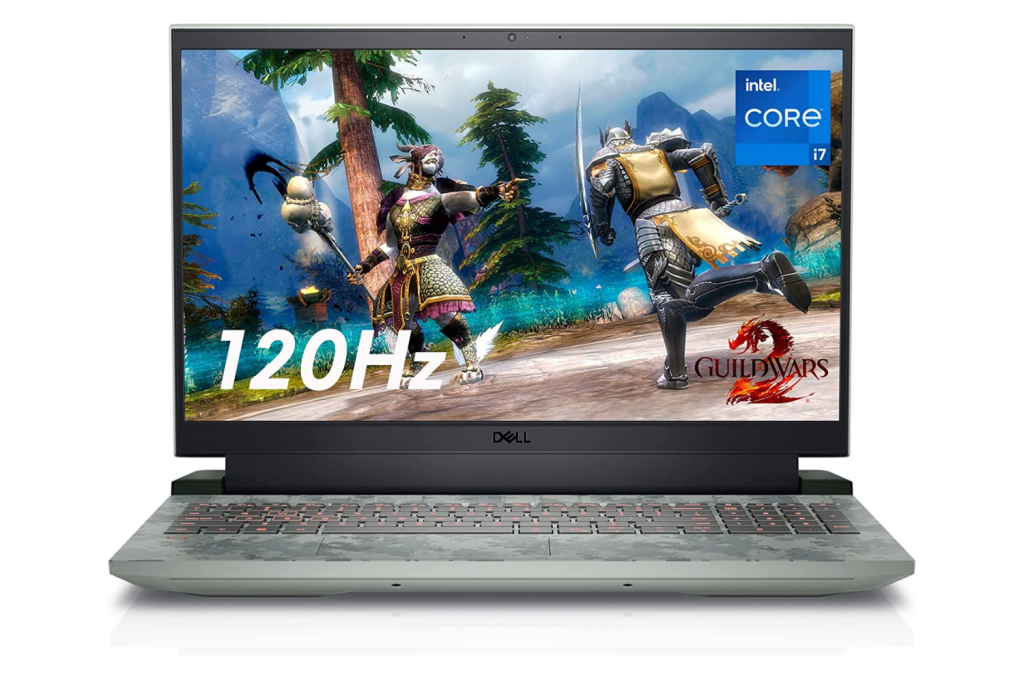
Dell G15 5520
View Price
Dell’s G15 5520 comes with a Core i7-12700H CPU. For those unaware, the processor is a souped-up version of the Core i7-12650H CPU that can be seen powering the laptop prefaced above.
The Dell G15 features even more E-cores (eight, to be precise). Coupled with the RTX 3060 GPU, the laptop should be able to run most, if not all, demanding games at stellar graphics settings.
If anything, the machine ships with a 120Hz display, which is a bummer seeing how the laptop can easily overturn over 120FPS in Valorant. That said, it comes with a bevy of connectors, including three USB 3.2 Gen 1 Type-A ports and an HDMI 2.1 slot.
What We Like
- Powerful CPU/GPU combo
- Lots of ports
- Good-looking design
What We Don’t Like
- Display only refreshes at 120Hz
MSI Pulse GL66
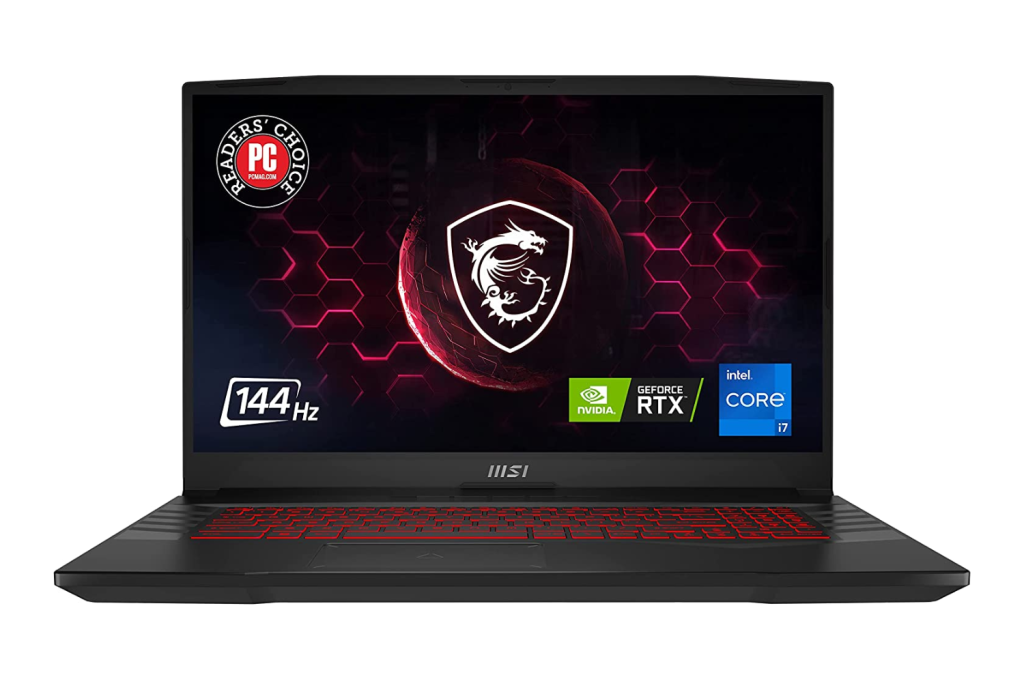
MSI Pulse GL66
View Price
MSI’s Pulse GL66 features Intel’s Core i7-12700H processor, which works alongside 16GB of RAM and 512GB of NVMe SSD. More notably, the laptop is the only machine on the list that gets Nvidia’s RTX 3070 GPU.
Moreover, the GPU has a healthy TGP of 105W, ensuring it can move through the gears adequately in demanding games. You should also know that the Pulse GL66 has a 144Hz display. Now, granted, the panel isn’t color-accurate, so we would advise against using it to edit photos or videos. But the display will do bits when you’re playing high-octane shooters on the machine.
What We Like
- RTX 3070 GPU
- Competitively priced
- 144Hz display for smooth visuals
What We Don’t Like
- Basic design
Alienware M15 R7

Alienware M15 R7
View Price
The Alienware M15 R7 is a great option for budget-conscious buyers. We say this as the laptop recently had its price slashed, and it currently retails for around $1,500. Despite that, the laptop is backed by incredible hardware and features Intel’s Core i7-12700H CPU.
The laptop also comes with an RTX 3060 GPU with a 130W TGP. It should also be noted that unlike the laptops mentioned above, the M15 R7 ships with a Quad HD display. What’s more, the panel refreshes at 240Hz. So, you could play games like Valorant at 1080p resolution on the laptop to leverage the machine’s snappy HRR display. Or, you could bump up the resolution and revel in enhanced visual fidelity, too.
What We Like
- Powerful GPU with 130W TGP
- QHD display
- Snappy 240Hz refresh rate
What We Don’t Like
- NIL
